Hardwired vs. Plug-In Lighting: What You Can Actually Install Yourself
Lighting can feel like the one category where you need an electrician just to get started. Sometimes that's true. But a lot of fixtures are built specifically so you don't need one, and knowing the difference before you shop can save you a wasted purchase or an unexpected call to a contractor.
What "hardwired" actually means
A hardwired fixture connects directly into your home's electrical wiring, typically through a junction box in the wall or ceiling. That generally does mean working with an electrician, or at least someone comfortable and safe working with home wiring, since you're tying into your actual electrical system rather than plugging into an outlet.
Most flush mounts and pendants fall into this category, including fixtures like our Delphine Pendant, Marigny Pendant, and Wave Flush Mount. They're designed to be a permanent lighting fixture, wired into the ceiling, which is part of why they read as more built-in and finished once installed.
What "plug-in" actually means
A plug-in fixture works exactly like it sounds. It has a cord that plugs into a standard wall outlet, no wiring or junction box involved. That makes it something almost anyone can install themselves, often in a matter of minutes, and it also means the fixture can move if your furniture layout changes or you move to a new place entirely.
The best of both: 2 in 1 fixtures
Some wall sconces are actually built to work either way, which is genuinely useful if you're not sure yet which setup fits your space. Our Hello Wall Sconce, Pearl Wall Sconce, and Millie Wall Sconce are all 2 in 1 designs, meaning you can install them as a plug-in for an easy, renter-friendly setup, or hardwire them later for a cleaner, cordless look if you're in a home you plan to stay in.
What you can install yourself
If you're not comfortable working with electrical wiring, or you're in a rental where hardwiring isn't an option, here's what's realistically within reach on your own:
Plug-in fixtures, obviously, since there's no wiring involved at all
2 in 1 sconces used in plug-in mode, like Hello or Millie
Battery-operated fixtures, which skip cords and wiring entirely, like our Noir Wall Sconce
What generally calls for an electrician
Any purely hardwired fixture, including most flush mounts and pendants
New wiring or junction boxes, if you're adding a fixture somewhere that doesn't already have one
Anything involving a dimmer switch installation, if you don't already have compatible wiring in place
A quick check before you buy
If a listing doesn't specify how a fixture installs, assume it's hardwired unless it clearly says plug-in or battery operated. And if you're renting, or just don't want to deal with an electrician right now, keep an eye out for that 2 in 1 language specifically, since it gives you the option to start simple and upgrade the install later without buying a new fixture.
Shop the guide
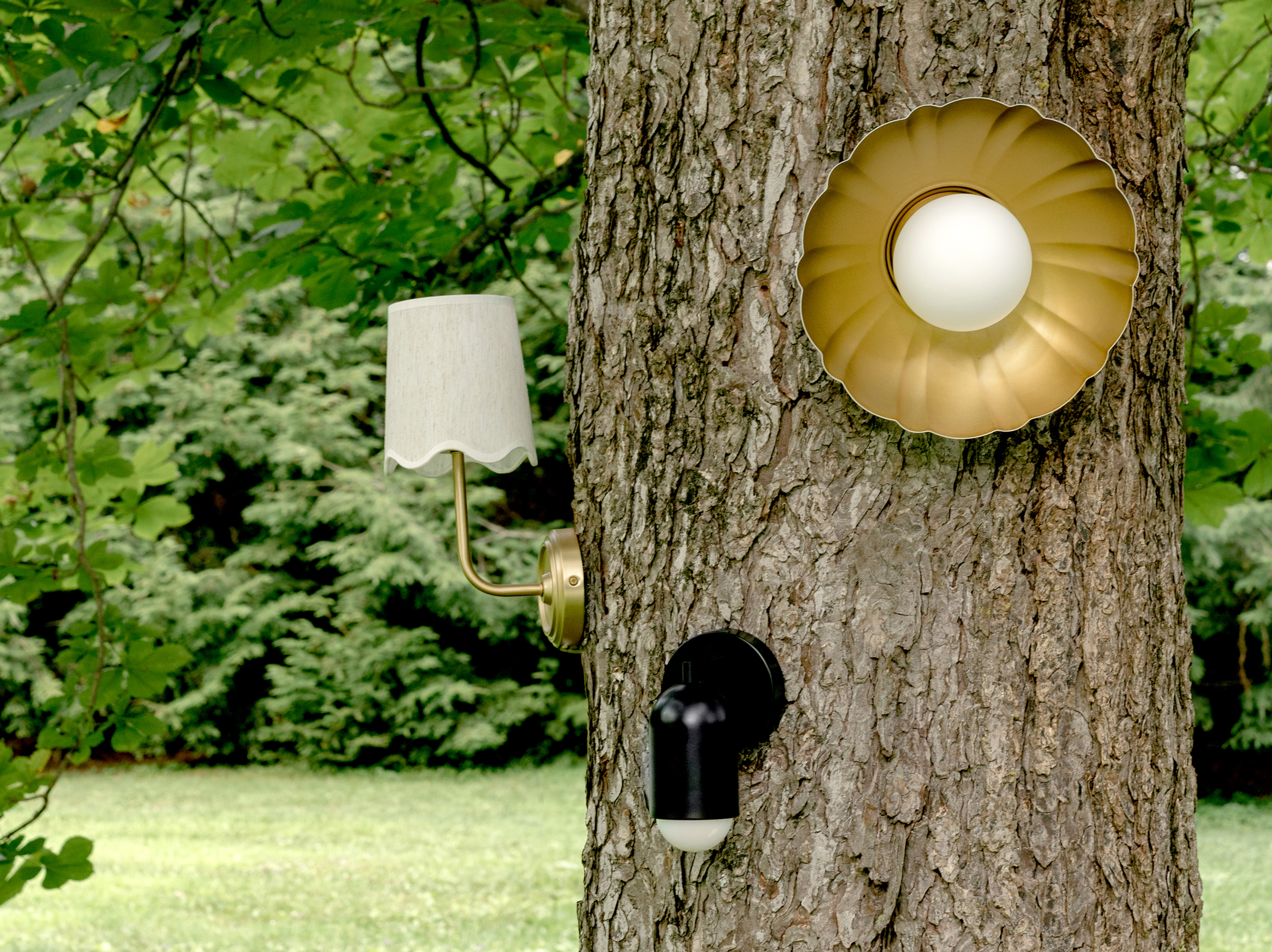
A mix of hardwired, plug-in, and 2-in-1 fixtures mentioned above.


Comments